Anyone who has lived in Connecticut through a few winters knows how fast a nor’easter, an ice storm or heavy wet snow can bring down power lines. When the power goes out in January, it is more than an inconvenience. Your heat, your water and sometimes your family’s safety depend on having a plan.
If you have a generator, or you are thinking about getting one, a little preparation now means it will be ready when the next storm arrives. Celco Heating & Air Conditioning has been keeping Connecticut homes comfortable for 50 years, since 1976. Here is our practical winter prep guide.
Key Takeaways
- Have your standby generator inspected and maintained before winter, not during the first storm.
- Keep fuel, the area around the unit and outdoor vents clear and ready.
- Never run a portable generator indoors, in a garage or near windows and doors.
Why Winter Outages Hit Connecticut Homes Differently
In summer, an outage usually means a warm house and a full fridge to worry about. In winter, the stakes are higher. Almost every home heating system needs electricity to run, even if it burns oil, gas or propane. Furnace blowers, boiler circulator pumps, oil burners, ignition controls and thermostats all depend on power.
Without heat, indoor temperatures can drop quickly during a long outage, and frozen pipes can turn a power problem into a water damage problem. Homes with well pumps or sump pumps have even more riding on backup power. That is why it makes sense to think about your heating system and your generator together.
Standby Generator Prep Checklist
If you have a permanently installed standby generator, here is what to check before winter:
- Schedule professional maintenance. A pre-winter inspection is the best way to catch worn parts, low fluids or a weak battery before you need the generator.
- Check your fuel supply. If your generator runs on propane, check the tank level and arrange a delivery before storm season. If it runs on natural gas, make sure the area around the gas meter and line is clear and accessible.
- Clear the area around the unit. Remove leaves, branches and stored items. Plan to keep snow cleared from around the generator and its air intake and exhaust all winter.
- Know what normal looks like. Learn how to read the status lights or display on your generator’s controller so you can spot a warning before a storm.
- Listen for the self-test. Many standby generators run a short self-test on a regular schedule. If yours has stopped running its test, or sounds different than usual, call us.
- Check the transfer switch. Make sure you know where it is and that it shows the expected status. Leave any work inside the switch to a professional.
Portable Generator Safety Basics
Portable generators can be a lifesaver, but they have to be used safely:
- Never run a generator indoors. This includes the garage, basement, crawlspace or a porch, even with the doors open. Generator exhaust contains carbon monoxide, which you cannot see or smell.
- Keep it well away from the house. Place the generator outdoors, away from windows, doors and vents, so exhaust cannot get inside.
- Use working CO detectors. Make sure your home has battery-powered or battery-backup carbon monoxide detectors on every level.
- Never backfeed your home. Do not plug a generator into a wall outlet. Use heavy-duty outdoor cords rated for the load, or have a properly installed transfer switch.
- Store fuel safely. Keep fuel in approved containers, away from living spaces, and let the generator cool before refueling.
Make a Simple Storm Plan
Take a few minutes now to plan for an outage:
- Find out which circuits your generator powers, and make sure your heating system is one of them.
- Keep a path to the generator and propane tank shoveled during and after storms.
- Keep flashlights, phone chargers and a list of important phone numbers, including ours, somewhere easy to find.
- After the storm, check the generator for snow, ice or debris around the unit.
Thinking About an Automatic Standby Generator?
An automatic standby generator is connected to your home’s electrical system. When it detects an outage, it starts up on its own within seconds, even if you are not home. There is no running outside in the snow to start a portable unit, and no extension cords through a cracked window.
Sizing matters. A generator that is too large or too small for your home will not perform the way it should. Our team will develop a custom plan that matches your home, the systems you want to keep running and your budget. Learn more on our generator services page.
Get Your Generator Ready With Celco
Whether you need a new generator installed, an existing one repaired or a pre-winter maintenance visit, Celco is here to help. We offer fast scheduling for generator service and put our pricing in writing up front, so there are no surprises.
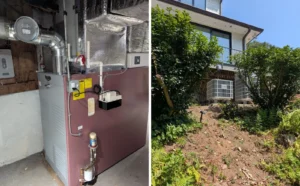
Celco Heating & Air Conditioning is based at 467 Bishop Ave in Bridgeport and serves homeowners in Westport (where the generator pictured above is installed), Fairfield and throughout Fairfield County. Connecticut license S1-392747.
Call us at 203-371-0055 or schedule a service online to get your generator ready before the next winter storm.
Frequently Asked Questions
Can a generator run my furnace or boiler during an outage?
Yes, as long as the generator is sized for the load and your heating system is on a circuit the generator powers. We can help you confirm what your generator covers.
How often should a standby generator be serviced?
At least once a year is a good rule, plus anything your owner’s manual calls for. Fall is a great time, before winter storms arrive.
Is it safe to run a portable generator in my garage with the door open?
No. Never run a generator in a garage, basement or any enclosed space, even with the doors open. Keep it outdoors and away from windows, doors and vents.